The interest in natural wellness solutions is growing fast, and plant-based compounds like CBG (cannabigerol) and CBD (cannabidiol) are becoming more popular every day. People are actively searching for topics such as “CBG vs CBD,” “difference between CBG and CBD,” “CBG benefits,” “CBD oil benefits, and CBD vs CBG to understand how these cannabinoids work and how they can support health.
Both CBG and CBD come from the cannabis plant, but they are not the same. They interact with the body in different ways and may produce different effects. Because of this, many users want a clear, simple explanation before choosing between them.
In this detailed guide, you will learn everything about CBG vs CBD, including what they are, how they work, their benefits, effects on the body, key differences, similarities, safety information, dosage guidelines, and practical tips on how to choose the right one based on your personal needs and wellness goals.
Read more: CBD for Skin: Benefits, Uses, and What Science Says
What Are Cannabinoids?

Cannabinoids are natural compounds found in the cannabis plant (Cannabis sativa). Scientists have discovered more than 100 different cannabinoids so far, and each one affects the body in its own way.
Inside the human body, there is a system called the endocannabinoid system (ECS). This system plays an important role in keeping the body balanced and working properly. It helps control many daily functions, such as:
- Mood and stress levels
- Sleep patterns and sleep quality
- Appetite and digestion
- Pain perception
- Immune system response
- Memory, focus, and mental clarity
Cannabinoids like CBD (cannabidiol) and CBG (cannabigerol) interact with the ECS and help support its natural function. By doing this, they may help the body stay in a stable state of balance, which is known as homeostasis.
What Is CBG?
CBG (cannabigerol) is a natural compound found in the cannabis plant. It is one of many cannabinoids, and it plays a very important role in the plant’s life cycle. Many people also learn about it when they compare cbg vs cbd, since both are popular non-psychoactive cannabinoids used for wellness.
CBG is often called the “mother of all cannabinoids” because other cannabinoids, including CBD and THC, are made from it during plant growth.
Why Is CBG Called the “Mother Cannabinoid”?
In young cannabis plants, there is a compound called CBGA (cannabigerolic acid). As the plant matures, this compound changes into other cannabinoids such as:
- CBD (cannabidiol)
- THC (tetrahydrocannabinol)
- CBC (cannabichromene)
Because most CBGA converts into other compounds, only a small amount of CBG remains in mature plants. This makes CBG rarer and more expensive than CBD, which is often highlighted in discussions about cbg vs cbd.
How Does CBG Work in the Body?
Studies show that CBG interacts with the endocannabinoid system (ECS) of the body. This system helps control many important functions like:
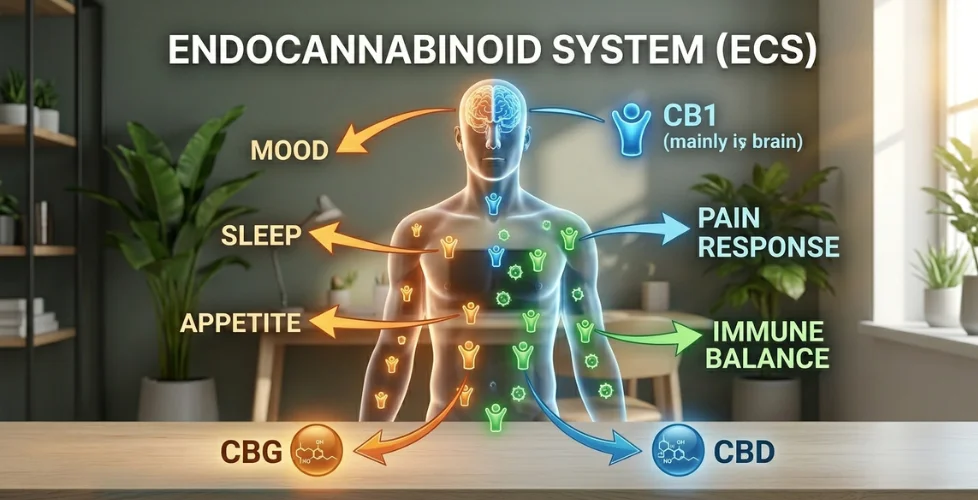
- Mood
- Sleep
- Appetite
- Pain response
- Immune balance
- Brain function
Unlike CBD, CBG binds more directly to CB1 and CB2 receptors. This is one of the main differences people notice when studying cbg vs cbd and how each affects the body.
What Does CBG Do?
People often search for “what does CBG do?” especially when comparing cbg vs cbd. CBG may affect the body in several different ways. Here are its possible effects explained in simple points:
- Supports Focus and Mental Clarity: CBG may help improve focus, alertness, and mental clarity. Many users report that it feels more energizing compared to CBD, which is why it is often used during the daytime.
- May Support Brain Health: Early research suggests that CBG may help protect nerve cells and support healthy brain function. It is being studied for its possible role in cognitive health and long-term brain support.
- Helps Reduce Inflammation: CBG may help reduce inflammation in the body. Researchers are especially interested in CBG for inflammation related to the digestive system, where swelling or irritation can cause discomfort, pain, and poor gut health.
- Supports Gut Health: CBG may help support a healthy digestive system. Some users find it useful for reducing gut discomfort and improving overall digestive balance.
- May Improve Mood and Energy: Some people report feeling more positive, active, and motivated after using CBG. This uplifting effect is one reason people compare it in discussions about cbg vs cbd, since CBD is usually more calming.
Possible Benefits of CBG
CBG may support:
- Focus and mental performance
- Inflammation reduction
- Gut and digestive health
- Brain function
- Mood balance
- Overall wellness
These CBG benefits are often compared with CBD when discussing cbg vs cbd differences.
Read more: Best CBD Products for Sleep: Oils, Gummies, and More
Side Effects of CBG
CBG is generally considered safe, but some users may notice mild effects such as:
- Dry mouth
- Increased alertness
- Mild changes in appetite
- Occasional tiredness
These effects are usually mild and temporary.
What Is CBD? (Cannabidiol)
CBD (cannabidiol) is a natural compound found in the cannabis plant (Cannabis sativa). It is one of the most well-known cannabinoids and is widely used in modern wellness products.
Many people search for “what is CBD,” “CBD meaning,” “CBD oil uses,” and “how CBD works” because it has become popular for natural relief without causing a “high.”
CBD usually comes from hemp, a type of cannabis plant that contains very low levels of THC (the compound that causes intoxication). This is why CBD is considered non-psychoactive and safe for everyday use.
How CBD Works in the Body
CBD works with the body’s endocannabinoid system (ECS). This system helps keep the body balanced and supports many important functions like mood, sleep, pain, and appetite.
Instead of directly binding to receptors, CBD works in a more indirect way. It helps the ECS function better and supports natural balance in the body.
This is why CBD is often described as a “balancing compound” or “calming cannabinoid.”
Main Characteristics of CBD
Here are some key facts that explain CBD in a simple way:
- CBD is non-psychoactive (it does not make you high)
- It comes mainly from hemp plants
- It is available in many forms like oils, gummies, capsules, and creams
- It interacts with the body’s natural systems to support balance
- It is widely used in wellness and health products
Common Forms of CBD Products

CBD comes in many different forms, so people can choose what works best for their lifestyle and needs. Each type of CBD product works in a slightly different way and offers a different experience.
1. CBD Oil / CBD Tincture
CBD oil (also called CBD tincture) is one of the most popular forms. You place a few drops under your tongue and hold it for a short time before swallowing. This method allows CBD to absorb quickly, so many people feel the effects faster compared to other forms.
2. CBD Gummies
CBD gummies are one of the easiest and most beginner-friendly options. They look and taste like regular candy, making them simple to take. Each gummy contains a pre-measured dose, so you don’t need to measure anything.
3. CBD Capsules
CBD capsules are taken like regular pills. They provide a fixed and consistent dose every time, which makes them easy to use in a daily routine. They are a good option for people who prefer a simple and controlled way of taking CBD.
4. CBD Topicals
CBD topicals include creams, lotions, balms, and salves. These products are applied directly to the skin. People often use them for localized issues such as muscle pain, joint pain, or skin irritation. They do not enter the bloodstream in the same way as oils or capsules.
5. CBD Vapes
CBD vapes allow CBD to be inhaled and absorbed quickly through the lungs. This method provides fast effects, but it is generally not recommended for long-term or frequent use compared to other CBD products.
Types of CBD Products
CBD comes in different types, allowing users to choose what best fits their needs and lifestyle. Each type works slightly differently and offers unique benefits.
1. Full Spectrum CBD
Full Spectrum CBD contains all natural hemp compounds, including cannabinoids, terpenes, and a small amount of THC (within legal limits). It is known for the entourage effect, where all compounds work together for stronger results. It is often used for pain, stress, and sleep support.
2. Broad Spectrum CBD
Broad Spectrum CBD includes multiple cannabinoids and plant compounds but has no THC. It still offers some entourage benefits without any THC exposure. It is a good choice for users who want balanced effects and THC-free products.
3. CBD Isolate
CBD Isolate is the purest form of CBD, containing only cannabidiol (CBD) with no THC or other plant compounds. It is ideal for users who want pure CBD and precise dosing but does not provide the entourage effect.
Wellness Benefits of CBD
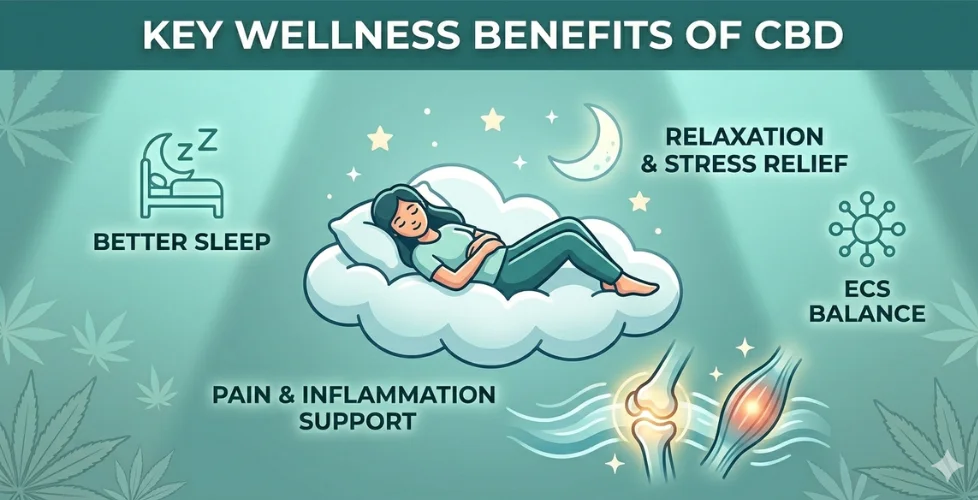
CBD is widely studied for its potential wellness benefits. Many people use it as a natural way to support daily health, balance, and overall well-being.
- CBD for Stress and Anxiety Relief: CBD may help calm the mind and reduce stress. It is often used for relaxation after a busy day and may support emotional balance.
- CBD for Pain Management: CBD may help reduce pain by lowering inflammation in the body. It is commonly used for joint pain, muscle soreness, back pain, and chronic discomfort.
- CBD for Better Sleep: CBD may improve sleep quality by helping the body and mind relax. It can reduce restlessness and support a deeper, more restful sleep.
- CBD for Inflammation: CBD has natural anti-inflammatory properties. It may help with conditions like arthritis, muscle inflammation, and skin irritation.
- CBD for Mental Wellness: CBD supports brain health and emotional balance. Some research suggests it may help improve mood and overall mental well-being.
Why CBD Is So Popular
CBD has become very popular because it offers natural support without intoxication. People prefer it because:
- It does not create a “high” feeling
- It is easy to use in daily life
- It comes in many product forms
- It has growing scientific support
- It is considered generally safe
Read more: Full Spectrum vs. Broad Spectrum CBD For Sleep: Which is Best for a Better Sleep?
CBD Side Effects
CBD is usually well tolerated, but some people may experience mild side effects, such as:
- Dry mouth
- Drowsiness
- Mild changes in appetite
- Slight fatigue
These effects are usually temporary and depend on dosage and body type.
Is CBD Safe?
CBD is generally considered safe for most adults. However, it is always important to:
- Start with a low dose
- Use high-quality products
- Talk to a doctor if you are on medication
- Avoid unregulated or fake products
CBG vs CBD: Key Differences Explained
Understanding the difference between CBG vs CBD helps you choose the right product based on your needs, whether you want relaxation, focus, or overall wellness support.
| Category | CBD (Cannabidiol) | CBG (Cannabigerol) |
| Origin and Role | Derived from CBG during plant growth | Known as the “parent” or precursor cannabinoid |
| Availability and Cost | Easy to find, widely available, and more affordable | Rare in cannabis plants, harder to extract, and more expensive |
| Effects on the Body | Calming, relaxing, and soothing | Energizing, uplifting, and focus-enhancing |
| Research and Evidence | Well-researched with strong scientific and clinical support | Early-stage research with promising potential |
| ECS Interaction | Works indirectly with the endocannabinoid system | Binds more directly to CB1 and CB2 receptors |
This comparison of cbg vs cbd shows that both cannabinoids offer unique benefits, but they work in different ways and are often chosen for different wellness goals.
Similarities Between CBG and CBD
Even though CBG and CBD (cbg vs cbd) are different in how they work, they also share many important similarities. Both are natural cannabinoids from the cannabis plant and support overall wellness in similar ways.
- Both are non-psychoactive: Neither CBG nor CBD causes a “high” or intoxicating effect, making them safe for daily use.
- Both support the endocannabinoid system (ECS): CBG and CBD both interact with the ECS, which helps regulate mood, sleep, pain, and overall balance in the body.
- Both may help reduce inflammation: Research suggests that both cannabinoids may help lower inflammation in the body, which can support conditions related to pain and discomfort.
- Both may support pain relief: CBG and CBD are both studied for their potential to reduce different types of pain, including chronic and inflammatory pain.
- Both are generally considered safe: Current research and user reports suggest that both cannabinoids are well tolerated by most people when used appropriately.
The Entourage Effect (CBD + CBG Working Together)

The entourage effect is a theory in cannabinoid science that explains how different compounds in the cannabis plant may work better together than alone. In simple words, it means that cannabinoids like CBD vs CBG can support each other and create stronger overall effects.
This idea is often discussed in studies and wellness use cases, especially when comparing cbg vs cbd, because both cannabinoids may complement each other in different ways.
How the Entourage Effect Works
Cannabis contains many active compounds, including:
- Cannabinoids (CBD, CBG, THC, etc.)
- Terpenes (natural plant oils that affect smell and effects)
- Flavonoids (plant antioxidants)
When these compounds work together, they may create a stronger and more balanced response in the body compared to using a single cannabinoid alone.
Read more: The Synergy of CBD and Other Natural Supplements
CBD vs CBG Example of the Entourage Effect
A simple example of the entourage effect can be seen when combining CBD and CBG:
- CBD helps reduce stress and promote relaxation:Research shows CBD may help calm the nervous system and reduce anxiety-related symptoms.
- CBG may support focus and mental clarity: Early studies suggest CBG may interact more directly with cannabinoid receptors, potentially supporting alertness and cognitive function.
What Happens When CBD and CBG Are Combined?
When used together, CBD and CBG may create a more balanced effect:
- CBD may calm the body and reduce stress
- CBG may support focus and mental energy
This combination is why many full-spectrum products include both cannabinoids. In discussions about cbg vs cbd, experts often highlight that they may not be competitors but complementary compounds.
Dosage Guide: How Much CBD or CBG Should You Take?
There is currently no single universal dosage for CBD or CBG because everyone’s body reacts differently. Research shows that cannabinoid dosing depends on factors like body weight, metabolism, health condition, product strength, and individual tolerance.
Studies on CBD suggest that effective doses can vary widely—from very small amounts to higher therapeutic ranges—depending on the condition being treated.
General Dosage Guidelines (CBD vs CBG)
Based on clinical studies and expert reviews, here are commonly used starting guidelines:
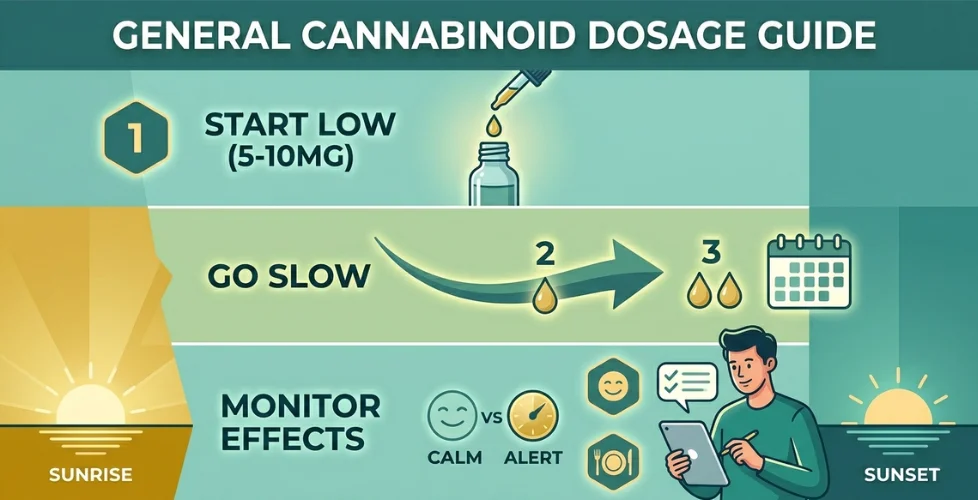
- Start with 5–10 mg per day: Research on CBD shows that low starting doses are often used to assess tolerance before increasing gradually.
- Increase slowly based on your needs: Many studies suggest a “start low and go slow” approach is safest and most effective for cannabinoids.
- Monitor how your body reacts: Effects may vary depending on whether you use CBD or CBG, your body chemistry, and product quality.
Best Time to Take CBD or CBG
Research and user studies suggest that timing can influence how cannabinoids affect the body.
CBD (Cannabidiol)
- Best taken in the evening or before bed
- Often studied for its calming and relaxing effects
- May support sleep quality and stress reduction
CBG (Cannabigerol)
- Best taken in the morning or daytime
- May support alertness, focus, and energy balance
- Early research suggests possible cognitive and gut-support benefits
Read more: When to Take CBD for Sleep: Best Time to Maximize Results
Is CBG Better Than CBD?
Many people ask, “Is CBG better than CBD?” The answer depends on your goals.
- Choose CBD for relaxation, anxiety, and sleep
- Choose CBG for focus, energy, and daytime use
Neither is better overall—they serve different purposes.
Are CBG and CBD Legal?
In many regions, hemp-derived CBD and CBG are legal as long as THC levels remain below legal limits. However, laws vary, so always check local regulations before buying.
Practical Tips: How to Choose the Right One

When comparing cbg vs cbd, the “best” option is not the same for everyone. The right choice depends on your body, lifestyle, and wellness goals. Research and user experience both suggest that cannabinoids work best when matched to specific needs.
Below are simple, practical tips to help you decide.
1. Choose CBD if Your Main Goal Is Relaxation
CBD is widely studied for its calming effects on the nervous system. Research suggests it may help reduce stress, anxiety, and physical tension.
Pick CBD if you want:
- Stress and anxiety relief
- Better sleep quality
- Help with relaxation after a long day
- Support for chronic pain or inflammation
- A calming evening routine
CBD has been studied for anxiety and sleep support in multiple human trials.
2. Choose CBG if You Need Focus and Energy
CBG is often described as more uplifting compared to CBD. Early research suggests it may support mental clarity, motivation, and gut health.
Pick CBG if you want:
- Better focus and concentration
- Daytime energy support
- Mental clarity for work or study
- Digestive or gut support
- A non-sedating cannabinoid option
Early studies show CBG may interact with brain receptors linked to focus and inflammation.
Read more: How to Integrate CBD into Your Beauty Routine
Final Thoughts on CBG vs CBD
Understanding cbg vs cbd makes it easier to choose the right cannabinoid for your daily wellness needs.
- CBD supports relaxation, sleep, and stress relief: It is commonly used to calm the mind, reduce anxiety, and improve sleep quality.
- CBG supports energy, focus, and mental clarity: It is often used during the day to help improve focus, alertness, and overall mental performance.
Both cannabinoids offer unique and powerful wellness benefits. Many users also find that combining them can create a more balanced effect—CBD helps the body relax, while CBG helps maintain focus and energy.
As scientific research continues to grow, both CBG vs CBD are expected to play an even more important role in the future of natural health, plant-based wellness, and cannabinoid therapy.