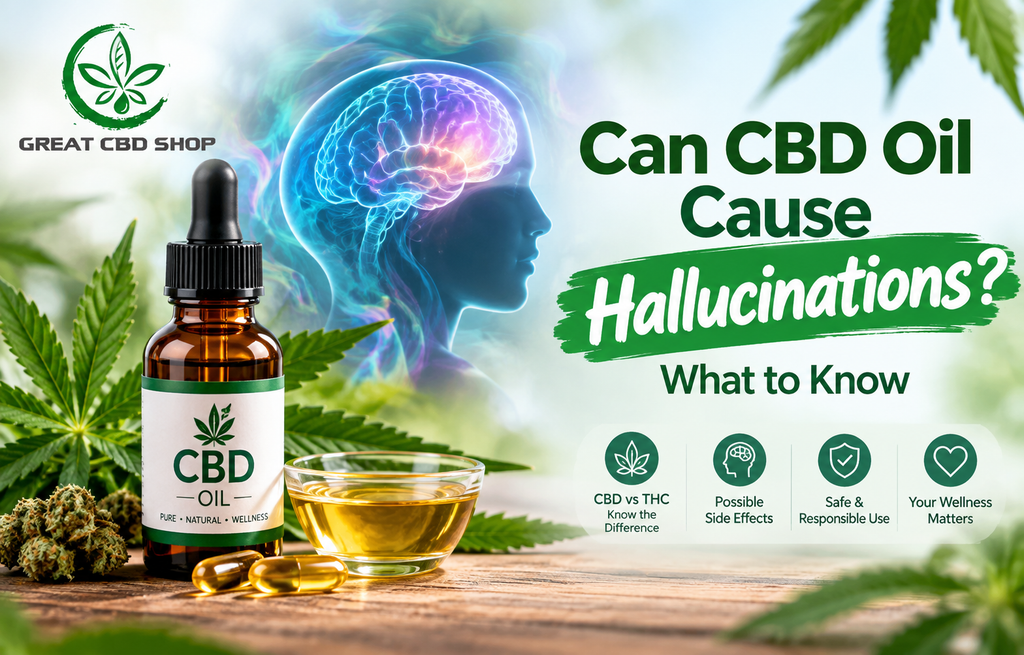
CBD oil has become popular among people looking for a non-intoxicating cannabis-derived product. It is commonly used in oils, tinctures, capsules, gummies, and other wellness products. However, one question often causes concern:
CBD oil make you hallucinate?The short answer is that pure cannabidiol (CBD) is not generally considered a hallucinogenic substance. Unlike THC, the main intoxicating compound in cannabis, CBD does not typically produce the “high” associated with marijuana. However, unusual reactions can occur, and not every product sold as CBD contains only CBD.
In some cases, a person may experience confusion, altered perception, anxiety, or other unexpected mental effects after taking a cannabinoid product. These experiences may be related to THC, product contamination, medication interactions, excessive amounts, or another underlying factor rather than CBD itself.Understanding the difference between CBD and THC is therefore important when asking, Can CBD Oil Cause Hallucinations?
What Is CBD Oil?
CBD stands for cannabidiol. It is one of the naturally occurring cannabinoids found in the cannabis plant.CBD is different from THC, or tetrahydrocannabinol. THC is responsible for much of the intoxicating effect associated with cannabis. CBD generally does not produce the same intoxicating effect.
CBD products are available in different forms, including:
- CBD oil and tinctures
- CBD gummies
- CBD capsules
- CBD beverages
- CBD creams and lotions
- CBD vape products
- Full-spectrum CBD products
- Broad-spectrum CBD products
- CBD isolate products
The actual contents of these products can vary considerably. Some products may contain additional cannabinoids or ingredients.This difference in formulation is important when considering Can CBD Oil Cause Hallucinations? A product containing CBD and measurable THC may produce effects that are very different from a product containing CBD isolate.
Read More: Best CBD Pre Rolls in 2026: Top Picks & Buying Tips
Can CBD Oil Cause Hallucinations?
For most people, CBD itself does not commonly cause hallucinations. Researchers do not consider hallucinations a typical effect of CBD. However, this does not mean you should automatically ignore every unusual experience after using CBD. There have been reports involving cannabinoid products and hallucinations, but determining the exact cause can be difficult.
The available evidence suggests several possible explanations. A product may contain THC even when the consumer expects CBD only. The product may also have an inaccurate label or contain other substances. In addition, CBD can interact with certain medications.So, when asking CBD oil make you hallucinate?, it is more accurate to say that hallucinations are not a typical expected effect of pure CBD, but unusual mental effects have been reported with cannabinoid products and may have several possible causes.
CBD vs. THC: Why the Difference Matters
One of the biggest sources of confusion is the difference between CBD and THC.THC is psychoactive and can change perception, mood, memory, coordination, and the way a person experiences their surroundings. At higher doses, particularly in inexperienced users, THC can contribute to intense anxiety, paranoia, confusion, or psychotic-like effects.
CBD generally does not work in the same way.This distinction is especially important with full-spectrum CBD products. Full-spectrum CBD products can contain multiple naturally occurring cannabis compounds, including THC within permitted limits depending on the product and jurisdiction.Therefore, someone wondering Can CBD Oil Cause Hallucinations? should first check exactly what is contained in the product they used.
Can THC in CBD Oil Cause Hallucinations?
THC is a more important consideration when discussing hallucinations.Some CBD products can contain THC. The formulation, manufacturing process, extraction method, and regulatory requirements in the market where manufacturers sell the product may determine the amount.
If a person accidentally consumes more THC than expected, they may experience:
- Altered perception
- Severe anxiety
- Paranoia
- Confusion
- Racing thoughts
- Distorted sensory experiences
- Strong changes in time perception
- Psychotic-like symptoms in some cases
This is one reason product labeling matters.A person who experiences hallucinations after taking a product marketed as CBD should not automatically conclude that CBD was responsible. The product’s complete cannabinoid profile and quality should also be considered.
Can CBD Oil Cause Hallucinations Because of Product Contamination?
Product quality is another important issue. Manufacturers of CBD products sold outside tightly controlled pharmaceutical settings may provide products that differ from their labels.Some products may contain more or less CBD than stated. Others may contain THC or other substances.
Possible quality concerns include:
- Incorrect cannabinoid concentrations
- Unexpected THC
- Pesticide residues
- Heavy metals
- Microbial contamination
- Other cannabinoids
- Undeclared ingredients
Does CBD oil make you hallucinate? You cannot always answer this question by looking at CBD alone. If someone experiences an unexpected psychoactive effect after using a CBD product, they should consider product quality, especially if they bought it from an unreliable source or the product lacks independent laboratory testing.
Read More: CBD for Skin: Benefits, Uses, and What Science Says
Does Full-Spectrum CBD Cause Hallucinations?
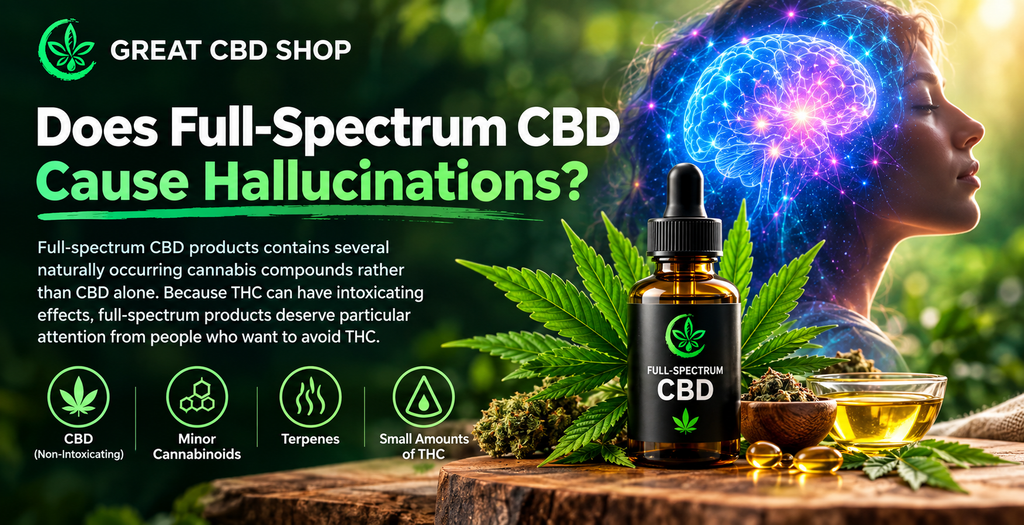
Full-spectrum CBD products contains several naturally occurring cannabis compounds rather than CBD alone.Depending on the product, this may include CBD, minor cannabinoids, terpenes, and small amounts of THC.Because THC can have intoxicating effects, full-spectrum products deserve particular attention from people who want to avoid THC.
Broad-spectrum products are generally formulated to contain multiple cannabis compounds while removing THC, although consumers should still review laboratory testing rather than relying only on marketing language.CBD isolate is intended to contain CBD as the primary cannabinoid without the other naturally occurring cannabis compounds.If you are asking Can CBD Oil Cause Hallucinations?, knowing whether your product is full-spectrum, broad-spectrum, or isolate can provide useful context.
Can High Doses of CBD Cause Strange Feelings?
CBD is not completely free of CBD side effects.Research and regulatory reviews have identified potential CBD-related effects such as:
- Sleepiness
- Changes in alertness
- Diarrhea
- Reduced appetite
- Mood changes
- Irritability
- Drug interactions
- Possible liver-related effects
These effects are different from hallucinations.Still, taking a large amount of a product can increase the chance of experiencing unwanted effects. The amount of CBD a person can tolerate may also differ based on body size, metabolism, other medications, and individual sensitivity.
Therefore, Can CBD Oil Cause Hallucinations? should not be considered separately from the broader question of CBD dosage and individual response.
Can CBD Interact With Medications?
CBD can affect the way some medications work.This is important because a person may experience unexpected symptoms due to an interaction between CBD and another medication rather than from CBD alone.CBD may affect enzymes involved in drug metabolism. As a result, it can potentially change the concentration or effects of certain medicines.
People taking prescription medications should speak with a healthcare professional or pharmacist before adding CBD to their routine.This is especially important for people taking medications that affect the brain, nervous system, liver, or other systems where interactions could have significant consequences.
When considering CBD oil make you hallucinate?, medication interactions should therefore be part of the conversation.
Can CBD Oil Cause Hallucinations When Combined With THC?
The combination of CBD and THC deserves special attention.CBD and THC can interact with one another. Research has found that orally consumed CBD can affect the metabolism of THC, potentially increasing or prolonging some THC effects under certain conditions.
This means a product containing both compounds may have stronger or longer-lasting effects than someone expects.If a person takes a CBD product that contains THC and then experiences unusual perception, anxiety, confusion, or other mental effects, the THC component may be particularly relevant.This is another reason why Can CBD Oil Cause Hallucinations? should not be treated as a simple yes-or-no questio
Read More: Best CBD Pre Rolls in 2026: Top Picks & Buying Tips
What Does CBD Usually Feel Like?
People respond to CBD differently, but CBD generally does not produce the intense intoxicating sensation associated with THC. Some people report that CBD makes them feel relaxed or sleepy. Others may notice little or no immediate effect.
Commonly reported CBD side effects can include drowsiness, changes in alertness, gastrointestinal symptoms, and changes in mood.Hallucinations are not among the typical effects people expect from pure CBD.
If you suddenly experience vivid visual or auditory perceptions after using a CBD product, it is worth taking the situation seriously rather than assuming it is a normal CBD reaction.
CBD and Mental Health: What Should You Know?
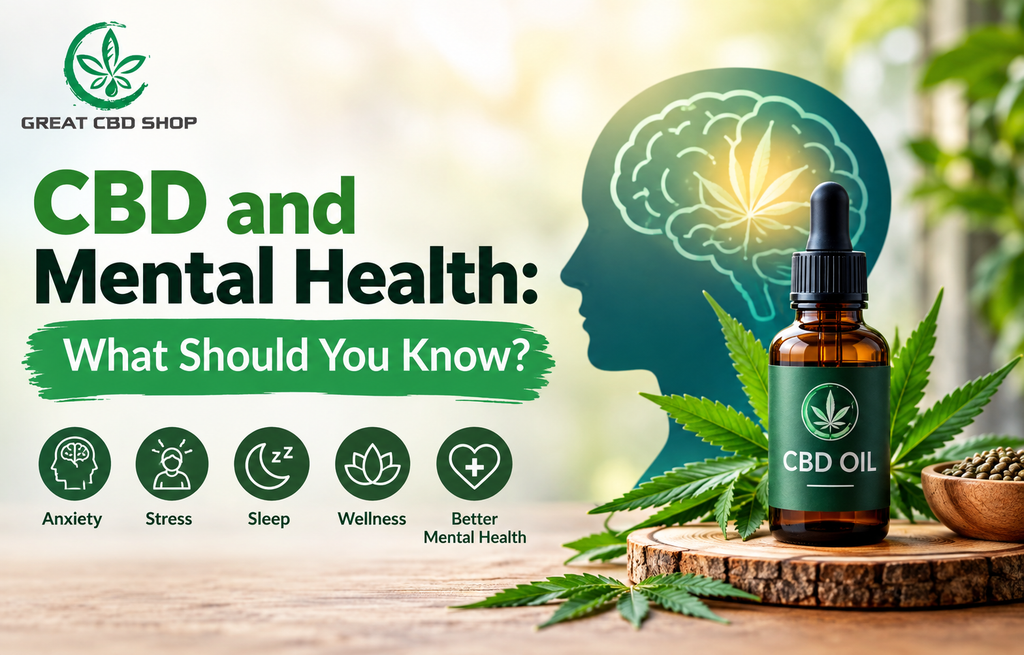
CBD is sometimes promoted online for anxiety, stress, sleep, or other mental health concerns. However, claims about CBD and mental health should be treated carefully.The scientific evidence is still developing, and CBD should not automatically be considered a treatment for psychiatric conditions.People with a history of psychosis or other serious mental health conditions should discuss cannabinoid use with a qualified healthcare professional.
This is particularly important if a product contains THC.The relationship between cannabinoids and mental health can be complicated. THC has a much stronger association with psychotic-like effects than CBD, while evidence about CBD’s psychiatric effects remains an active area of research.So, if you are researching CBD oil make you hallucinate? it is important to avoid treating all cannabis-derived compounds as though they have identical effects.
What Should You Do If You Experience Hallucinations After CBD?
If you experience hallucinations or severe changes in perception after taking a CBD product, stop using the product and seek appropriate medical advice.Do not take another dose to see whether the symptoms happen again.
If possible, keep the product packaging. Check:
- Product name
- CBD amount
- THC content
- Serving size
- Ingredients
- Batch number
- Manufacturer information
- Third-party laboratory report
This information may help a healthcare professional determine what you consumed.If symptoms are severe, persistent, or accompanied by chest pain, difficulty breathing, seizures, severe confusion, loss of consciousness, or dangerous behavior, seek emergency medical attention.
Read More: Blue Lotus Hallucinations | Effects, Risks & Dosage Explained
How to Choose a Safer CBD Product
People who choose to use CBD can reduce some avoidable risks by paying attention to product quality.
Look for products that provide clear information about:
1. CBD concentration
The label should clearly state how much CBD is present per serving and, where applicable, per container.
2. THC information
Check whether the product contains THC and how much.
3. Independent laboratory testing
A current certificate of analysis can provide information about cannabinoid content and certain contaminants.
4. Ingredient transparency
Avoid products that hide ingredients behind vague proprietary blends when clear labeling is important to you.
5. Reputable manufacturing
Consider companies that provide clear manufacturing, testing, and product information.
These steps cannot guarantee that a CBD product will be risk-free, but they can help consumers make more informed choices.
Is CBD Oil Safe for Everyone?
CBD is not appropriate for everyone.People who are pregnant or breastfeeding should speak with a healthcare professional before using CBD. Children should not be given CBD products unless specifically advised by a qualified healthcare professional.
People taking prescription or over-the-counter medicines should also consider possible interactions.CBD may affect liver enzymes and can interact with some medications.This is why the question Can CBD Oil Cause Hallucinations? should be considered alongside the broader issue of individual safety.A product that is tolerated by one person may not be appropriate for another.
Read More: A Beginner’s Guide to CBD Vaping
Can CBD Oil Cause Hallucinations From Anxiety or Panic?
Sometimes the experience surrounding CBD use can complicate the situation.For example, a person may take a cannabinoid product, notice dizziness or unusual sensations, become extremely anxious, and then experience intensified feelings of unreality or fear.Severe anxiety can produce frightening perceptual experiences, but that does not necessarily mean the CBD itself caused hallucinations.
If THC is present, however, THC-related anxiety or paranoia may also contribute to unusual perceptions.Because multiple factors can overlap, it is important not to assume a single cause without considering the product, dose, other substances, medications, and the person’s circumstances.
CBD Hallucinations: Myth or Possibility?
Current evidence does not support the idea that CBD routinely causes hallucinations. Researchers do not generally classify pure CBD as a hallucinogenic cannabinoid. However, unusual experiences can still occur after someone takes a CBD product.
Reports involving hallucinations or psychotic symptoms exist, but individual reports cannot establish that CBD itself was the direct cause. In some cases, THC exposure, product composition, medication interactions, or underlying conditions may provide alternative explanations.That distinction is essential when answering CBD oil make you hallucinate?
Frequently Asked Questions
Can CBD oil make you hallucinate?
Pure CBD does not generally cause hallucinations. However, people have reported unusual effects from cannabinoid products, and manufacturers may include THC or other substances in some products.Medication interactions and individual factors can also matter.
Can CBD oil cause visual hallucinations?
Visual hallucinations are not a typical effect of pure CBD. If they occur after using a CBD product, stop using the product and seek medical advice, especially if symptoms are severe or persistent.
Can CBD oil cause auditory hallucinations?
Auditory hallucinations are also not considered a typical CBD effect. If someone experiences voices or sounds that are not actually present after using a cannabinoid product, medical evaluation is appropriate.
Can THC-free CBD still cause problems?
Yes. THC-free does not automatically mean risk-free. CBD itself can cause side effects and interact with medications. Product quality and individual factors also matter.
Does CBD get you high?
CBD is generally not intoxicating in the same way THC is. However, products marketed as CBD may contain THC or other cannabinoids, depending on their formulation.
Is full-spectrum CBD more likely to cause psychoactive effects?
Full-spectrum CBD products may contain THC. Therefore, they can have different effects from CBD isolate. Check the product’s laboratory report and cannabinoid profile.
Should I stop taking CBD if I experience hallucinations?
Do not take another dose until you have discussed the reaction with a healthcare professional. Keep the product packaging and laboratory information if available.
Final Thoughts
So, CBD oil make you hallucinate? The best evidence-based answer is that hallucinations are not a typical effect of pure CBD. However, unexpected mental or perceptual effects can occur after using cannabinoid products, and CBD should not be assumed to be the only possible cause.
THC is especially important because it can produce intoxicating and psychotic-like effects. Product contamination, inaccurate labeling, drug interactions, high doses, and individual circumstances can also complicate the picture.
If you experience hallucinations after using CBD, stop using the product and seek professional medical advice. Keep the packaging and product information available so the contents can be identified.
CBD may be useful for some people, but it is not risk-free. Choosing transparent products, understanding the difference between CBD and THC, checking laboratory information, and discussing CBD with a healthcare professional when medications or medical conditions are involved can help you make safer decisions.
Read More: Does Kratom Show Up on a Drug Test? A Comprehensive Guide