CBD has become one of the most widely used hemp-derived cannabinoids in the wellness industry. From CBD oils and gummies to capsules, beverages, and vape products, millions of consumers include cannabidiol in their daily routines. As its popularity continues to grow, many people are asking an important question: how long does CBD stay in your system? This topic remains one of the most frequently discussed among both first-time users and experienced CBD consumers.
The answer is not as simple as a single number. CBD’s elimination timeline depends on numerous factors, including dosage, frequency of use, metabolism, body composition, delivery method, and even what you eat before taking it.
Research shows that while the noticeable effects of CBD may last only a few hours, traces of cannabidiol and its metabolites can remain in the body for days or even weeks in some cases. Studies examining CBD pharmacokinetics have reported half-lives ranging from a few hours to several days depending on the route of administration and usage patterns.
In this comprehensive guide, we’ll explore the science behind CBD metabolism, how long CBD stays detectable in urine and blood tests, what influences its elimination, and what current research says about cannabidiol’s journey through the human body.
Read more: CBG vs CBD: Benefits, Effects, and Key Differences
How Long Does CBD Stay in Your System?
For most people, CBD can stay in the body for approximately 2 to 5 days after a single use. However, regular or heavy users may retain CBD in their system for one to several weeks.
Research suggests that CBD has a half-life ranging from:
- 18–32 hours after oral consumption
- 31 hours or longer with repeated use
- Shorter durations when inhaled through vaping
Because it takes several half-lives for a substance to be fully eliminated, CBD may remain detectable for days after its effects have faded.
Research reviews examining CBD pharmacokinetics have reported:
| Usage Pattern | Estimated Detection Time |
| Single CBD Use | 1–5 Days |
| Moderate Use | Several Days |
| Daily CBD Use | 1–3 Weeks |
| Heavy Long-Term Use | Multiple Weeks |
A systematic review of human CBD pharmacokinetics reported half-lives ranging from approximately 1.4–10.9 hours after certain delivery methods, around 31 hours after inhalation, and 2–5 days following chronic oral administration.
Because elimination generally takes multiple half-lives, CBD may remain detectable well after its effects wear off.
What Is CBD?
Cannabidiol (CBD) is one of the primary cannabinoids found in hemp and cannabis plants. Researchers have isolated more than 426 chemical compounds in cannabis, including over 60 cannabinoids that interact with the body’s endocannabinoid system (ECS). Among these compounds, the most extensively studied are tetrahydrocannabinol (THC), cannabinol (CBN), and cannabidiol (CBD).
The ECS plays an important role in regulating various bodily functions, including mood, sleep, appetite, stress response, memory, and pain perception. Unlike many other cannabinoids, CBD does not produce intoxicating effects, making it a popular choice among individuals seeking the potential benefits of cannabinoids without experiencing a psychoactive “high.”
Common Types of CBD Products
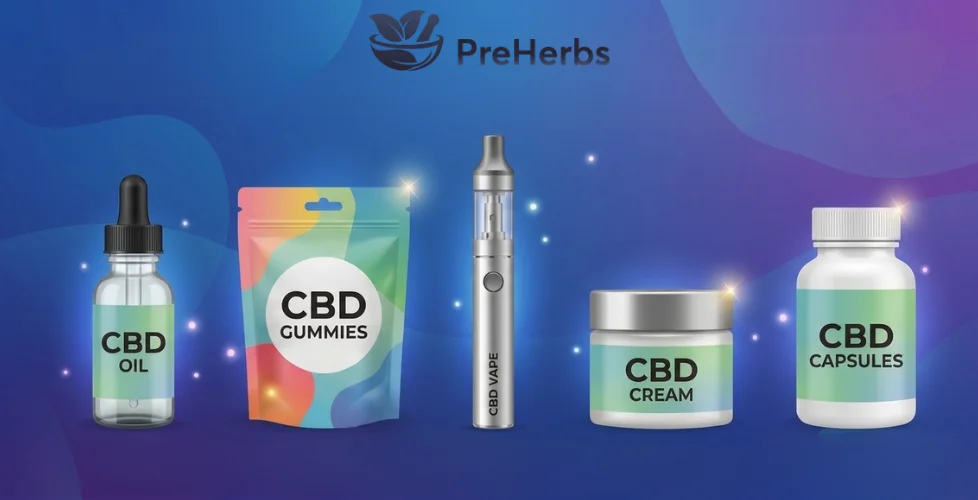
CBD is available in a variety of formulations designed to suit different preferences and lifestyles. Each product type influences how quickly CBD is absorbed, how long it takes to work, how long CBD effects last, and ultimately how long CBD stays in your system.
Popular CBD products include:
- CBD oils
- CBD tinctures
- CBD gummies and CBD edibles
- CBD capsules and softgels
- CBD vape Pens / Vape Kits
- CBD topicals and creams
- CBD Drink enhancers and beverages
Because every delivery method follows a different absorption pathway, understanding the type of CBD product you use is an important factor when determining how long CBD stays in your system, how long CBD takes to kick in, and how long CBD effects may last.
Read more: When to Take CBD for Sleep: Best Time to Maximize Results
How Long Does CBD Last?
The duration of CBD’s effects depends on the product type, dosage, body chemistry, and method of consumption. While CBD may remain in your body for several days, its noticeable effects typically last much shorter.
Average duration of CBD effects:
| CBD Product | Effects Duration |
| CBD Vape | 1–3 Hours |
| CBD Oil/Tincture | 4–6 Hours |
| CBD Capsules | 6–8 Hours |
| CBD Gummies | 6–12 Hours |
| CBD Beverages | 2–6 Hours |
Many users are confused about how long CBD lasts with how long CBD stays in the system. The effects may disappear within a few hours, but traces of CBD can remain detectable for days.
How Long Do CBD Gummies Stay in Your System?
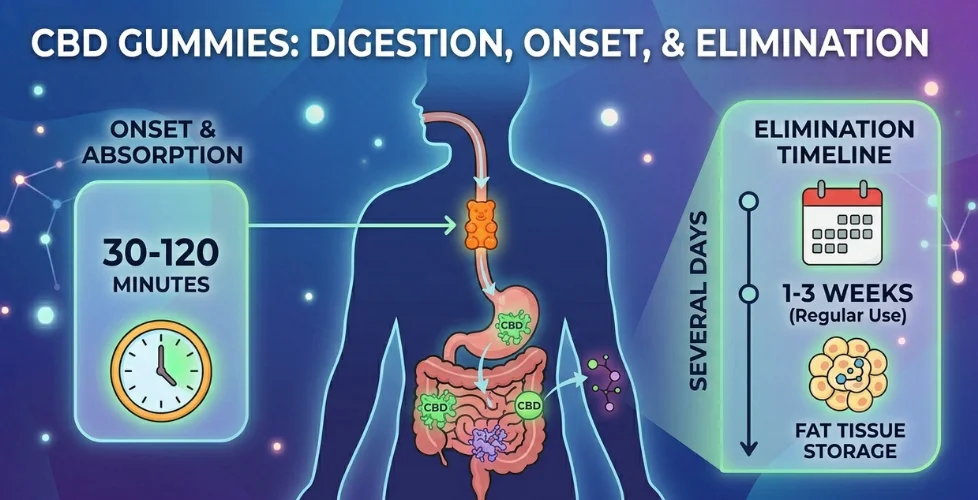
CBD gummies are among the most popular forms of cannabidiol because they are convenient and pre-dosed.
After consumption:
- Onset typically occurs within 30–120 minutes.
- Effects often last 6–12 hours.
- CBD may remain detectable for several days.
Because gummies must be digested before absorption, they often produce a slower onset but longer-lasting experience compared to inhaled products.
For daily users, CBD from gummies may remain detectable longer due to cumulative exposure.
How Long Does a CBD Cigarette Stay in Your System?
CBD cigarettes deliver cannabidiol through inhalation, similar to vaping.
Because inhaled CBD enters the bloodstream rapidly, users often experience effects within minutes. However, detection times vary based on usage frequency.
For occasional users:
- Effects may last 1–3 hours.
- CBD may remain in the body for 2–5 days.
For regular users:
- Detectable levels may persist for several weeks due to accumulation in fatty tissues.
The exact timeline depends on metabolism, body composition, and how frequently CBD cigarettes are used.
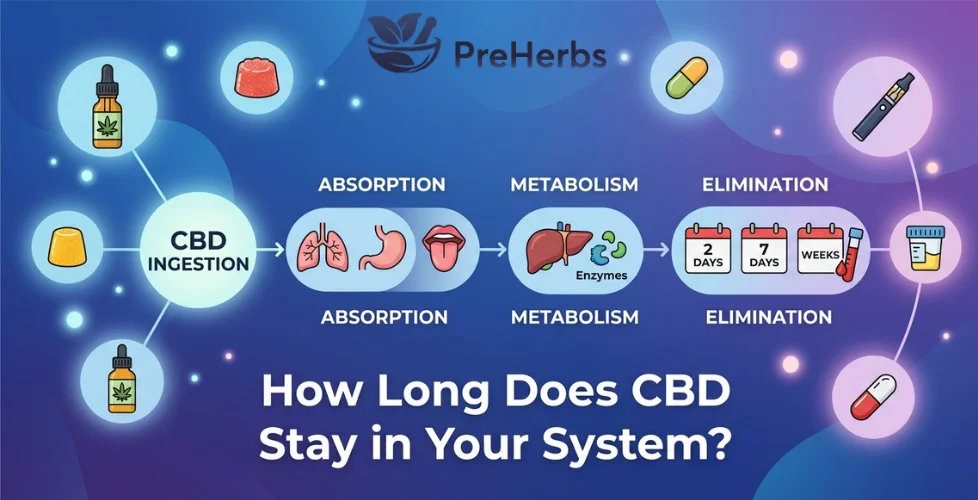
How Does the Body Process CBD?
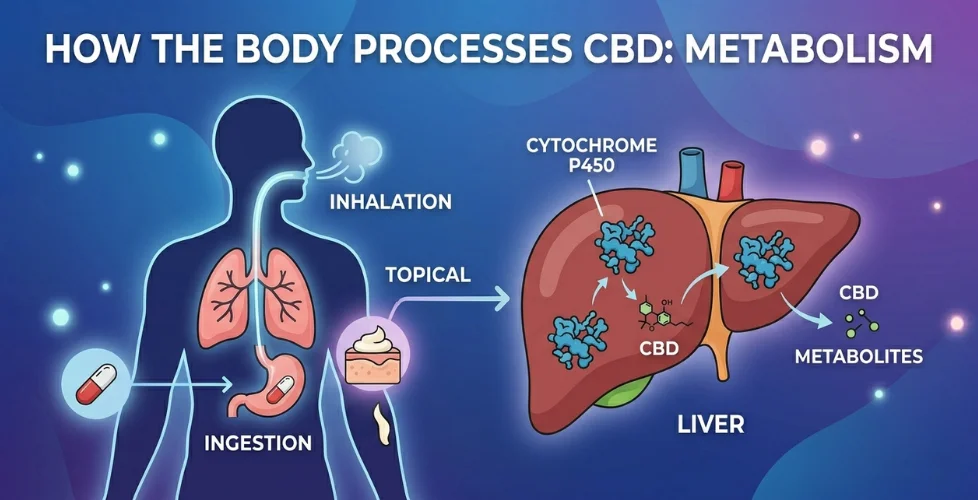
To understand how long CBD stays in your system, it’s important to know how the body absorbs, utilizes, and eliminates cannabidiol. After consumption, CBD moves through several stages before eventually leaving the body.
1. Absorption Of CBD
CBD enters the body through different pathways depending on the product used. It can be absorbed through:
- Oral tissues (CBD oils and tinctures)
- The lungs (CBD vapes and hemp cigarettes)
- The digestive tract (CBD gummies, capsules, and edibles)
- The skin (CBD creams, balms, and topicals)
The method of consumption affects how quickly CBD takes effect and how long it remains active in the body.
Interaction With the Endocannabinoid System
Once absorbed, CBD interacts with the body’s endocannabinoid system (ECS), a complex cell-signaling network that helps regulate mood, sleep, pain perception, immune responses, and overall balance.
The human body contains two primary cannabinoid receptors:
- CB1 receptors, found mainly in the brain and central nervous system
- CB2 receptors, located primarily in the immune system and peripheral tissues
Rather than binding directly to these receptors like THC, CBD influences the ECS by supporting the body’s natural production and use of endocannabinoids. This interaction helps regulate signaling pathways involved in inflammation, stress responses, pain sensation, and relaxation.
Researchers believe these mechanisms may contribute to many of the potential wellness benefits associated with CBD.
Read more: A Beginner’s Guide to CBD Vaping
2. Distribution Of CBD
After entering the bloodstream, CBD is distributed throughout the body. Because CBD is fat-soluble, it can be stored in fatty tissues while also interacting with various receptors, enzymes, and signaling molecules.
This widespread distribution helps explain why CBD may influence multiple systems within the body, including the nervous, immune, and digestive systems.
3. Metabolism Of CBD
CBD is primarily metabolized in the liver by enzymes belonging to the cytochrome P450 system. These enzymes break CBD down into metabolites that can be processed and eventually eliminated from the body.
The speed of metabolism varies from person to person based on factors such as age, genetics, body composition, liver function, and frequency of CBD use.
Elimination Of CBD
After metabolism, CBD and its metabolites leave the body through:
- Urine
- Feces
- Sweat
Because CBD is stored in fat cells, small amounts may remain in the body even after the noticeable effects have worn off. The liver plays a crucial role in determining how quickly CBD elimination from the system.
How Long Does It Take for CBD to Work?
One of the most common questions new users ask is whether CBD produces immediate effects. The answer depends entirely on the delivery method and individual body chemistry.
In general, CBD does not work instantly for everyone, but onset times are fairly predictable across different product types:
- Vaping or inhalation: Effects may begin within 1–5 minutes because CBD enters the bloodstream rapidly through the lungs.
- CBD oils (sublingual use): Typically start working within 15–45 minutes as the compound absorbs through the tissues under the tongue.
- CBD gummies and capsules: Usually take 30–120 minutes to kick in because they must pass through the digestive system and liver before entering circulation.
- Topical CBD products: Onset varies widely depending on the area of application and skin absorption, and effects are often localized rather than systemic.
Several biological and lifestyle factors can influence how quickly CBD begins to work, including metabolism rate, body weight, recent food intake, liver function, product potency, and individual endocannabinoid system sensitivity. For example, taking CBD with a high-fat meal may increase absorption but can slightly delay onset.
How Long Do CBD Effects Last?
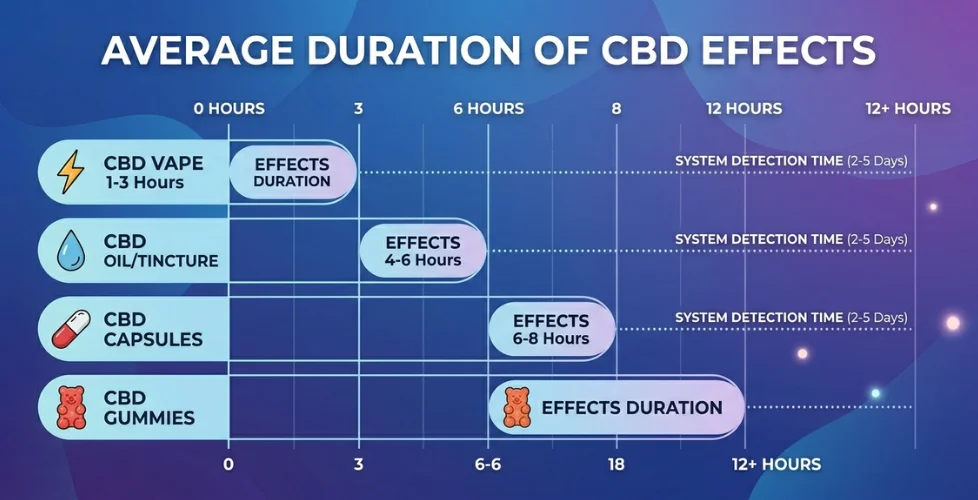
According to the half-lives discovered in a 2018 systematic review, CBD can remain in the body for several days after use. However, the noticeable effects typically wear off much sooner, with the duration varying based on factors such as dosage, method of consumption, and individual metabolism..
Based on common usage patterns and research observations, the typical duration of effects is:
- Vaping or inhalation: approximately 1–3 hours
- CBD sublingual oils/tinctures: around 4–6 hours
- CBD gummies and edibles: roughly 6–12 hours, sometimes longer in sensitive users
- Topical CBD products: effects may last 2–6 hours locally, depending on application and severity of discomfort
Higher doses of CBD generally produce longer-lasting effects compared to smaller servings. However, individual response plays a major role—some users may feel subtle effects for shorter periods, while others may experience extended relaxation or relief.
Read more: CBD Benefits for Pets: What You Need to Know
Importantly, the perceived effects of CBD typically fade long before the compound is fully eliminated from the body. This is because CBD undergoes gradual metabolism in the liver and can remain in fatty tissues even after its active effects are no longer noticeable.
Potential Benefits Associated With CBD
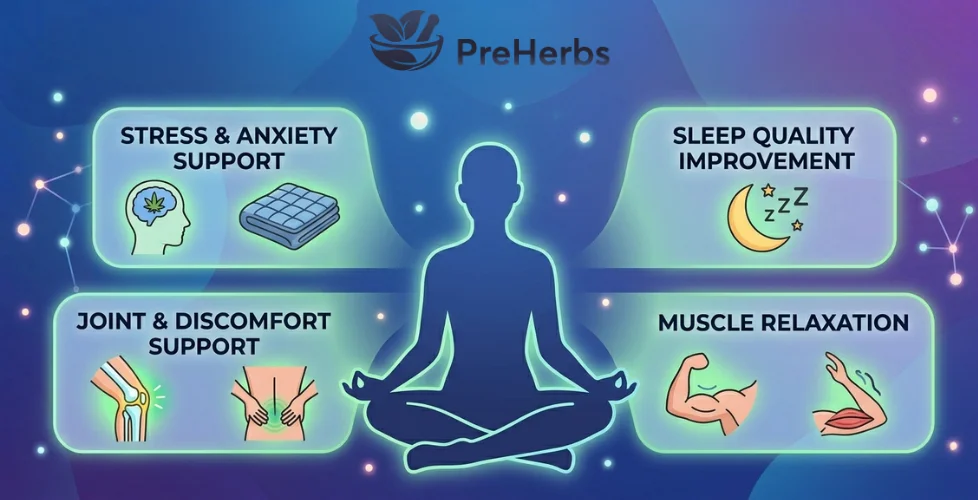
Research into CBD is ongoing, but several studies have explored its potential effects on wellness and quality of life.
1. Stress, Anxiety, and Sleep Support
A 2019 study involving 103 adults with anxiety or sleep concerns found that many participants experienced improvements in anxiety scores during the first month of CBD use, while a significant number also reported better sleep quality throughout the study period.
2. Joint and Discomfort Support
Research published in 2017 suggested that CBD may help support comfort and mobility in individuals experiencing osteoarthritis-related joint discomfort. Additional studies have also examined CBD play a role in managing chronic pain associated with arthritis.
3. Muscle Relaxation
Some research has investigated combinations of cannabinoids, including CBD, for their potential role in supporting muscle relaxation and reducing muscle spasms in certain neurological conditions.
4. Digestive System Support
Emerging research suggests that CBD supports digestive balance by interacting with receptors throughout the gastrointestinal tract and the endocannabinoid system. These interactions may help promote digestive wellness and support healthy inflammatory responses within the body.
While CBD is not intended to diagnose, treat, cure, or prevent any disease, ongoing research continues to explore its potential applications in supporting overall wellness and quality of life.
Does CBD Show Up on Drug Tests?
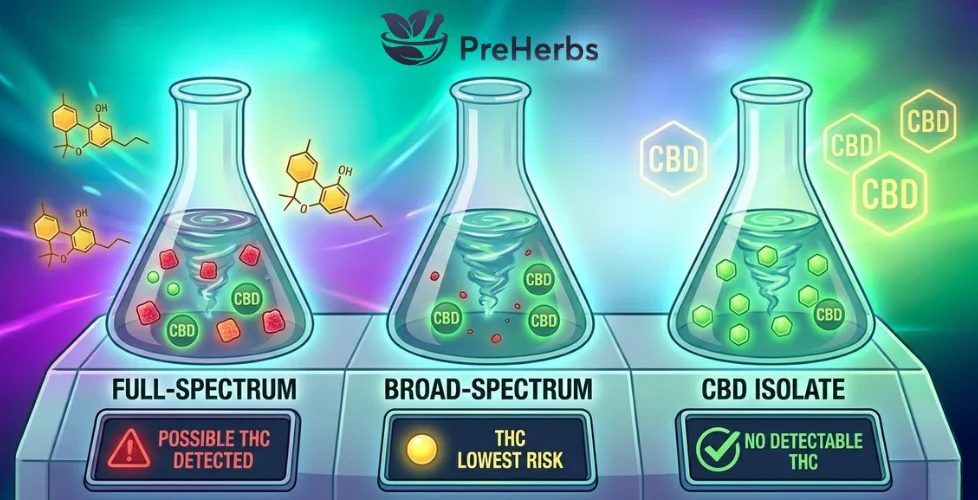
CBD itself is not typically screened for in standard drug tests, but some CBD products may lead to a positive result depending on their THC content. Most CBD products in the United States are made from hemp, which legally contains less than 0.3% THC.
The likelihood of a positive drug test depends on the type of CBD used:
- Full-spectrum CBD: Contains CBD along with other naturally occurring hemp compounds, including small amounts of THC. Although legal hemp products contain less than 0.3% THC, regular use may increase the chance of THC being detected on a drug test.
- Broad-spectrum CBD: Contains multiple hemp-derived compounds but undergoes additional processing to remove THC, making it less likely to trigger a positive THC test.
- CBD Isolate: Pure CBD with no detectable THC, making it the least likely form of CBD to appear on a THC drug screening.
Read more: Exploring the Benefits of Full-Spectrum vs. Isolate CBD
How Long Does CBD Stay in Your Urine?
Urine testing is the most common form of workplace drug screening. CBD itself is not usually included in standard drug tests. However, CBD metabolites may remain present in urine for varying periods.
Estimated CBD urine detection windows:
| Usage Pattern | Potential Detection Time |
| Single Use | Several Days |
| Occasional Use | Up to One Week |
| Daily Use | 1–3 Weeks |
| Heavy Long-Term Use | Several Weeks |
These timelines vary substantially among individuals.
How Long Does CBD Stay in Your Blood?
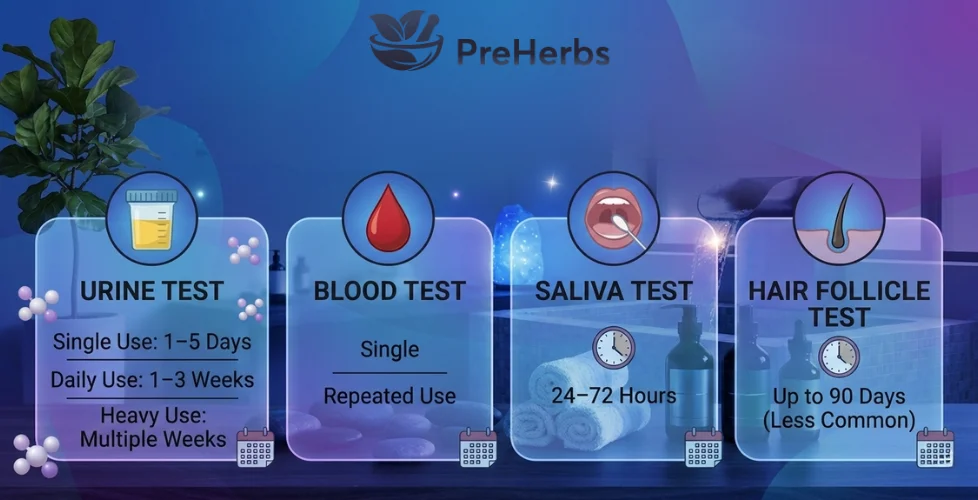
Blood tests generally have shorter detection windows than urine tests.
Research suggests CBD concentrations in blood decline relatively quickly after administration.
Approximate blood detection windows:
- Several hours after single use
- Up to several days after repeated use
Blood testing is less commonly used than urine testing for cannabinoid screening.
Saliva Testing
Saliva tests typically have a short detection window and are often used to identify recent cannabinoid exposure.
Estimated saliva detection window:
- Approximately 24–72 hours after use
Hair Testing
Hair follicle tests can theoretically detect cannabinoids for up to 90 days after use. However, hair testing specifically for CBD is uncommon, and most hair tests focus on detecting THC-related compounds rather than CBD itself.
Final Thoughts
So, how long does CBD stay in your system? Current research suggests that CBD generally remains in the body anywhere from a few days to several weeks depending on dosage, frequency of use, body composition, metabolism, and product type.
For most occasional users, CBD may clear within approximately 2–5 days. However, daily users may retain measurable levels considerably longer due to accumulation in fatty tissues and ongoing exposure. Research on cannabidiol pharmacokinetics continues to evolve, but existing evidence consistently shows that factors such as delivery method, food intake, liver metabolism, and individual physiology play major roles in determining CBD elimination timelines.
Understanding these variables can help consumers make informed decisions about CBD use, product selection, dosing schedules, and drug-testing considerations.
Want to Know More About CBD?
If you found this CBD guide helpful and want to deepen your understanding of cannabinoids, there’s a lot more to explore. CBD science is constantly evolving, and learning how it works can help you make more informed decisions about products, dosing, and effects.
You may also be interested in learning more about: